
Let’s be real for a second. When you hear the word "yoga," what’s the first thing that pops into your head? For a lot of us in the recovery community, it’s an image of someone twisted into a human pretzel, wearing expensive leggings, and looking like they’ve never had a stressful day in their life.
If you’re sitting there thinking, "I can barely touch my shins, let alone my toes, and my brain feels like a browser with 40 tabs open," then you’re exactly who needs to be reading this.
At NamaStay Sober, we’ve seen firsthand how movement can transform the recovery process. But we’ve also seen how many people count themselves out before they even step onto a mat because of a few common myths. Whether you’re three days sober or three years in, it’s time to debunk these misconceptions so you can start using every tool available to stay healthy and connected.
Myth 1: You Have to Be Flexible to Do Yoga
This is the big one. It’s the "I can’t go to the gym because I’m out of shape" logic.
Here’s the truth: Saying you’re too stiff for yoga is like saying you’re too dirty to take a bath. Flexibility isn’t a prerequisite; it’s a byproduct. In the context of sobriety, yoga isn't about how deep your backbend is. It’s about creating space in your body where there used to be tension, trauma, and restless energy.
When we are in active addiction, our bodies are often in a constant state of "fight or flight." We carry that stress in our hips, our shoulders, and our necks. Yoga is simply a way to start loosening those knots. If you can breathe, you can do yoga. If you can move your arm an inch, you’re doing the work.
Myth 2: Yoga is a "Cure-All" for Addiction
We love yoga, obviously, but we have to keep it 100 with you. Yoga is a powerful tool, but it isn’t a magic wand.
Sorry, we can't promise that a few Downward Dogs will permanently delete the urge to use or fix every underlying issue in your life. We wish we could provide a "one-and-done" solution, but recovery is a bit more complex than that! Check back with us as we continue to grow our resources and find more ways to support your journey!
Real recovery usually requires a "toolbox" approach. As experts like Rolf Gates have pointed out, yoga works best when it’s integrated with other evidence-based practices. This might include:
- Traditional 12-step programs or SMART Recovery.
- Cognitive Behavioral Therapy (CBT).
- One-on-one counseling.
- Medical treatment when necessary.
Think of yoga as the practice that helps you stay grounded enough to actually do the other work. It calms the nervous system so you can show up to your therapy session or your meeting without feeling like you’re going to crawl out of your skin.
Myth 3: It’s All "Woo-Woo" and Spiritual
For some people, the spiritual side of yoga is what saves them. For others, the talk of "chakras" and "energy centers" feels a bit too out there. If the "Ohm-ing" isn't your vibe, don't worry: you don't have to buy into any specific belief system to get the benefits.
From a purely scientific standpoint, yoga is a workout for your nervous system. When we practice mindful breathing and intentional movement, we are physically training our brains to move from the sympathetic nervous system (stress/anxiety) to the parasympathetic nervous system (rest/digest).

In sobriety, our "brakes" are often worn out. We react to stress with intensity. Yoga helps us rebuild those brakes. By holding a challenging pose and focusing on your breath, you are teaching your brain how to stay calm when things get uncomfortable. That is a massive skill to have when life gets messy outside of the studio.
Myth 4: You Have to Be "Zen" to Start
There’s a huge misconception that you need to be a calm, peaceful person to walk into a yoga class.
Actually, the best time to do yoga is when you’re feeling angry, anxious, or totally overwhelmed. Most of us in recovery have spent years trying to run away from our feelings. We used substances to numb the noise. When we get sober, all that noise comes back: loudly.
Yoga provides a safe container to feel those things. It’s okay if you’re crying on your mat. It’s okay if you’re frustrated because your balance is off. It’s okay if your mind is racing the entire time. The goal isn’t to have a quiet mind; it’s to notice that your mind is loud and keep breathing anyway.
Through our partnerships with local studios, we create environments where you don't have to pretend to be "perfect." You just have to be present.
Myth 5: Yoga is Expensive and Exclusive
If you look at Instagram, you might think yoga is only for people who can afford $100 leggings and $30 drop-in classes. That barrier to entry is real, and it’s something we are working hard to break down at NamaStay Sober.
We believe that wellness shouldn't be a luxury. It’s a necessity for someone trying to rebuild their life. That’s why we offer memberships and scholarship programs to help those in recovery access fitness and yoga communities without the financial burden.
Whether it's through a group hike, a community yoga session, or a fitness scholarship, our goal is to make sure that "I can't afford it" is never the reason someone misses out on a life-changing connection.
Why This Matters for Your Recovery
Recovery can be a lonely road. We often lose our old social circles, and finding new ones that don't revolve around a bar can be intimidating. This is where the "Stay" in NamaStay Sober comes in.
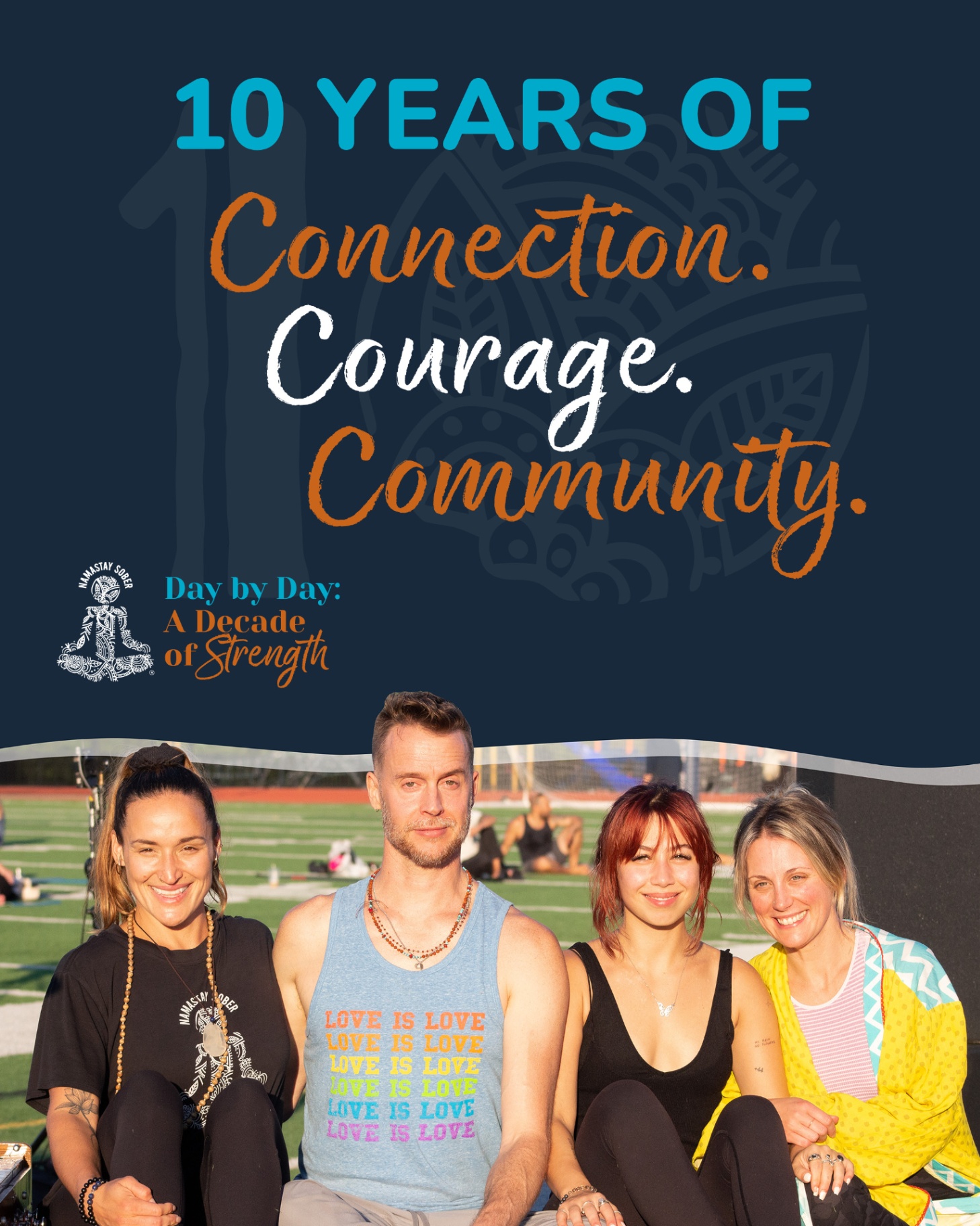
By joining a yoga or fitness community, you’re not just working on your physical health. You’re building a tribe. You’re meeting people who understand the struggle and are also choosing to "sweat it out" instead of "tapping out."
When we move together, we heal together. The community aspect of what we do is just as important as the poses themselves. We’ve seen friendships form over post-yoga coffee and lives transform through the simple act of showing up for one another week after week.
How to Get Started (Even if You’re Still Skeptical)
If you’re still not sure if yoga is for you, we want to invite you to just try it once. No expectations, no pressure to be flexible, and definitely no need to be "zen."
- Check out our events: We host regular gatherings that are designed to be inclusive and fun. You can find our upcoming schedule on our events page.
- Look into our programs: If you’re looking for a more consistent practice, see how our programs can help you get connected to a local gym or studio.
- Start small: You don't need a 90-minute hot yoga session. Start with five minutes of stretching at home. Focus on your breath. Notice how your body feels.
Sobriety is about rediscovering who you are without the fog of substances. Yoga is just one way to clear that fog and get back into your own skin.
Join the NamaStay Sober Community
At NamaStay Sober, our mission is to provide those in recovery with a path to wellness through movement and community. We know that the first step is often the hardest, but you don't have to take it alone.
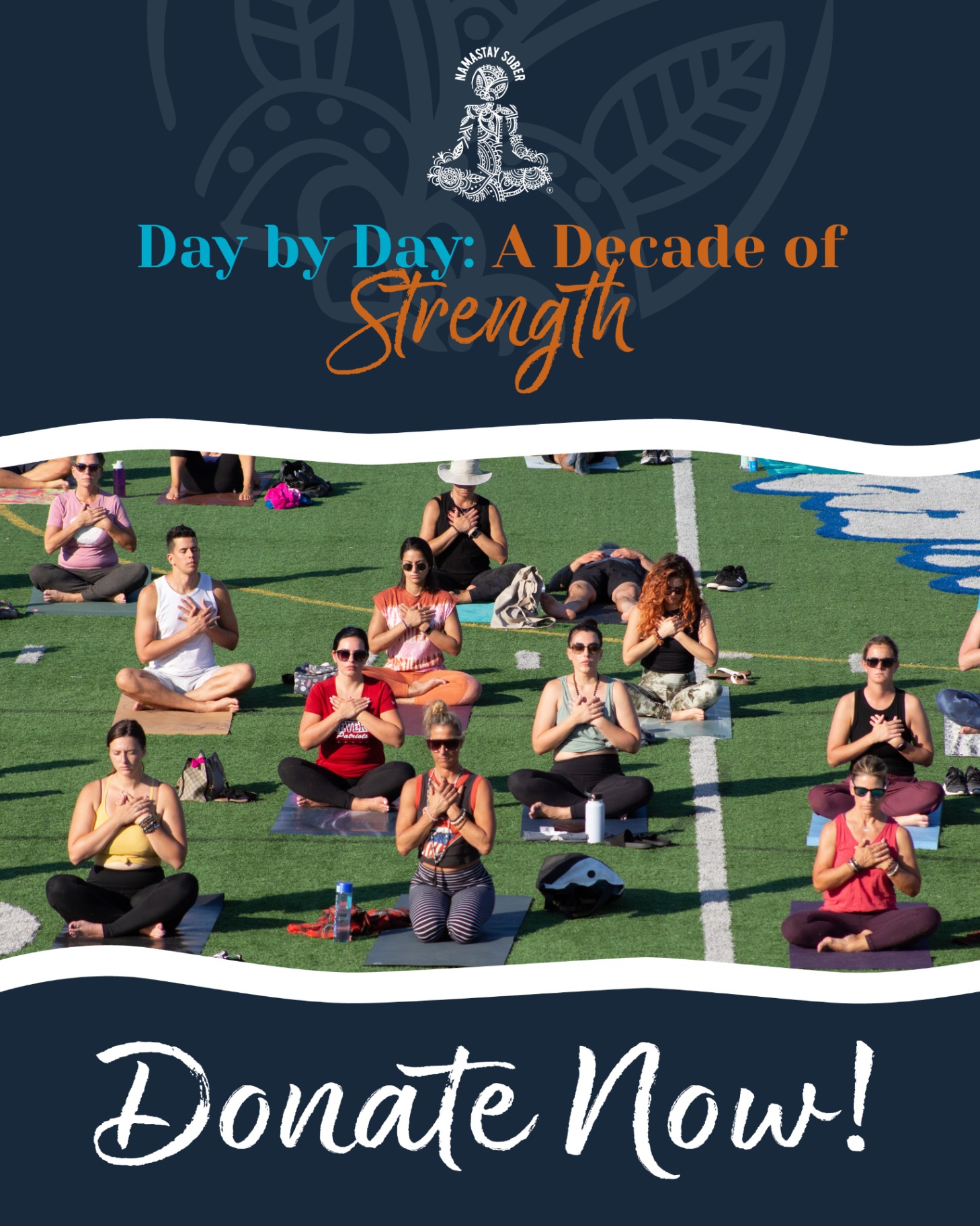
Whether you want to join us for an event, apply for a scholarship, or donate to help someone else access these life-saving tools, there is a place for you here.
Ready to get moving?
Contact us today to learn more about how to get involved, or check out our mission and vision to see why we are so passionate about what we do.
Let’s leave the myths behind and start building a stronger, healthier, and more connected recovery together. You don’t have to be flexible to stay sober: you just have to show up. We’ll see you on the mat!
Posted in Blog
