
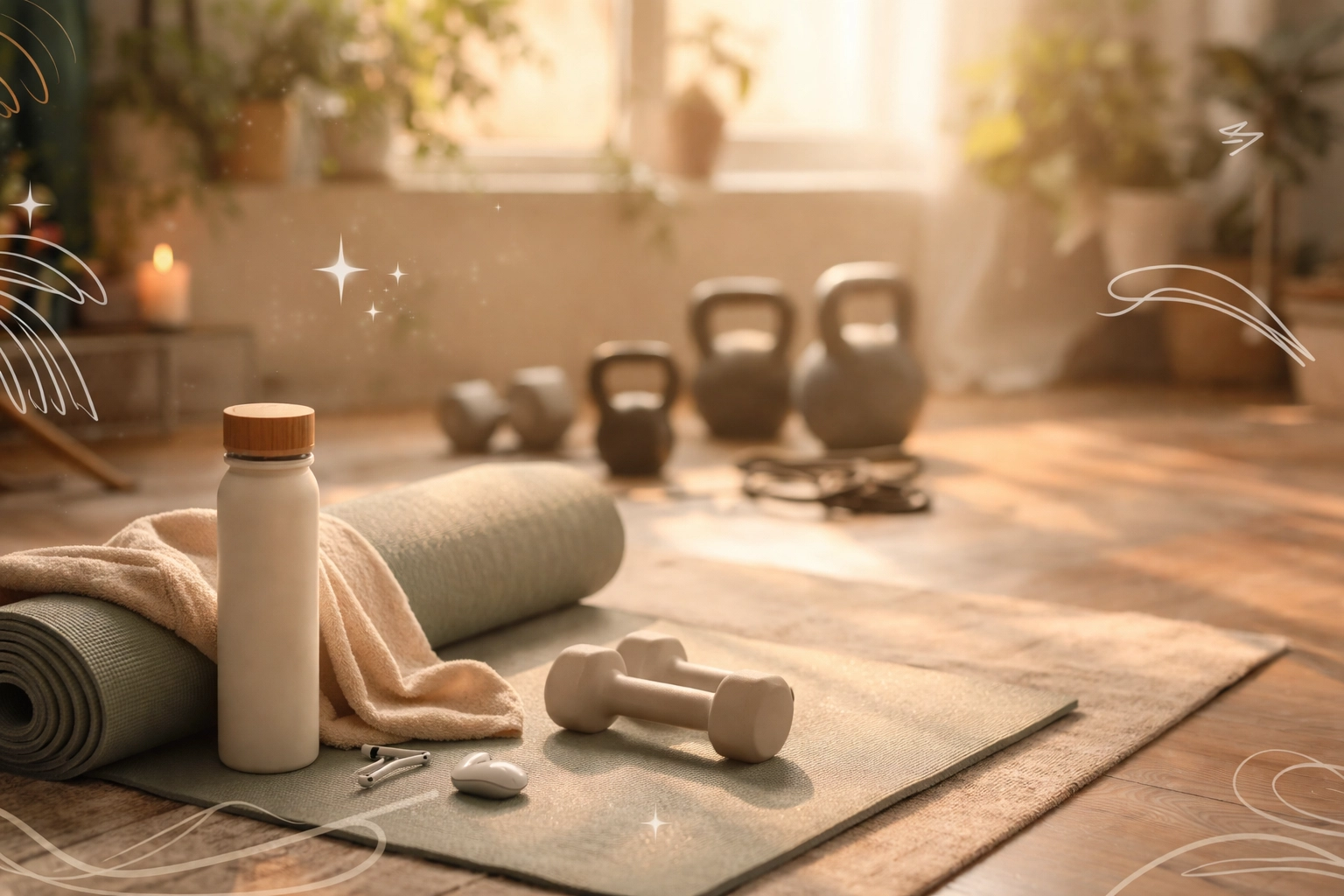
Let's be honest. When you're in recovery, even the simplest things can feel complicated. Going to the grocery store. Meeting new people. And yeah, stepping into a gym.
You've probably heard the term "sober gyms" floating around. Maybe you've wondered if they're worth it, or if they're even a real thing. Perhaps you're asking yourself: Do I actually need a special gym just because I'm sober?
The short answer? Not necessarily. But there's a longer answer worth exploring, and it might change how you think about fitness in recovery altogether.
What Are Sober Gyms, Anyway?
First, let's clear up what we're talking about.
Sober gyms are fitness spaces specifically designed for people in recovery from addiction. They strip away common triggers you might find in traditional gyms, like post-workout happy hours, alcohol-sponsored events, or that hyper-competitive "gym-bro" energy that can feel isolating if you're not in that headspace.
Instead, these spaces focus on:
- Accountability – Everyone there understands the journey
- Shared experience – No need to explain why you don't drink
- Safe environment – Fewer triggers, more support
Think of it as a gym where nobody's going to suggest grabbing beers after leg day.
The Real Difference: It's About More Than Equipment
Here's the thing, a treadmill is a treadmill. Dumbbells don't care about your sobriety date. The equipment at a sober gym isn't magically different from what you'd find at your local fitness center.
The difference is the environment and the people.
In a traditional gym, you might encounter:
- Social pressure around alcohol (post-workout drinks, sponsored events)
- Competitive atmospheres that can trigger anxiety
- Isolation if you're not part of the "in" crowd
- Marketing that glamorizes partying alongside fitness
In a recovery-focused fitness space, those elements are intentionally removed. What you get instead is a sobriety community built around mutual understanding. Everyone's working on themselves, physically and mentally, without the noise.
That doesn't mean regular gyms are off-limits. Plenty of people in recovery crush it at their neighborhood gym. But for some, especially in early recovery, having that extra layer of support makes all the difference.
Why Recovery Fitness Hits Different
Let's talk about what recovery fitness actually means, because it's not just about getting swole or running faster.
When you're recovering from addiction, your brain is literally rewiring itself. Exercise speeds up that process. It helps with:
- Dopamine regulation – Your brain's reward system is healing, and exercise gives it healthy hits of feel-good chemicals
- Stress management – Instead of reaching for a substance, you're reaching for a yoga mat or a set of weights
- Sleep quality – Better rest means better recovery (in every sense)
- Self-esteem – Showing up for yourself builds confidence
Recovery fitness is about building new neural pathways. It's about teaching your body and brain that you can feel good without substances. It's about creating rituals that support your sobriety instead of threatening it.
This isn't just working out. It's rewiring.
The Power of Sobriety Community in Fitness
Here's where things get real.
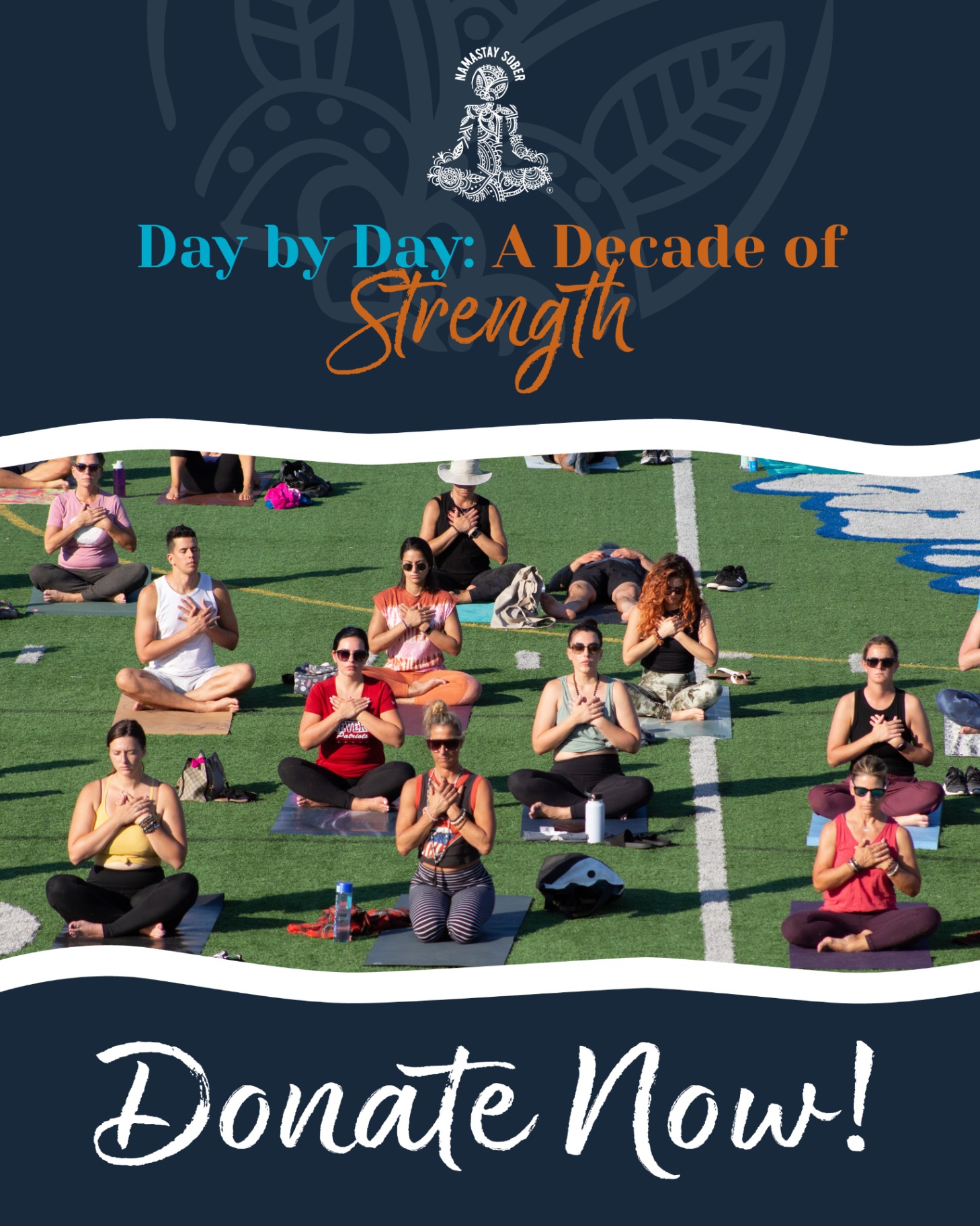
One of the biggest predictors of long-term recovery success? Community. Having people who get it. People who won't judge you for skipping the after-party. People who celebrate your wins, whether that's a PR on your deadlift or just showing up when you really didn't want to.
Research consistently shows that social support is central to the benefits of fitness in recovery. Group classes, workout partners, and fitness communities create:
- A sense of belonging
- Accountability (someone notices when you're not there)
- Healthy relationships built around positive habits
- A reason to keep showing up
This is why the "where" of your workout matters less than the "who."
You can find this community at a dedicated sober gym, sure. But you can also find it in:
- Recovery-friendly yoga classes
- Running groups for people in sobriety
- Nonprofit wellness programs (hey, that's us!)
- Online fitness communities focused on recovery
The key is finding your people. The ones who understand that fitness is part of your healing, not just a hobby.
Do You Actually Need a Sober Gym?
Okay, let's get to the heart of it.
Do you need a sober gym to stay sober? No.
Can a sober gym or recovery-focused fitness community make your journey easier? Absolutely.
Here's a quick gut-check to help you figure out what's right for you:
A sober gym or recovery fitness community might be ideal if:
- You're in early recovery and want to minimize triggers
- Traditional gyms feel overwhelming or isolating
- You crave community with people who understand your journey
- You want fitness to be part of your recovery toolkit, not separate from it
A regular gym might work fine if:
- You've built a solid support system outside the gym
- Triggers in fitness spaces don't affect you
- You have a workout buddy or group that keeps you accountable
- You're comfortable setting boundaries around social drinking culture
There's no right or wrong answer here. Recovery is personal. What matters is that you're moving your body, taking care of your mind, and surrounding yourself with people who lift you up (literally and figuratively).
How NamaStay Sober Fits In
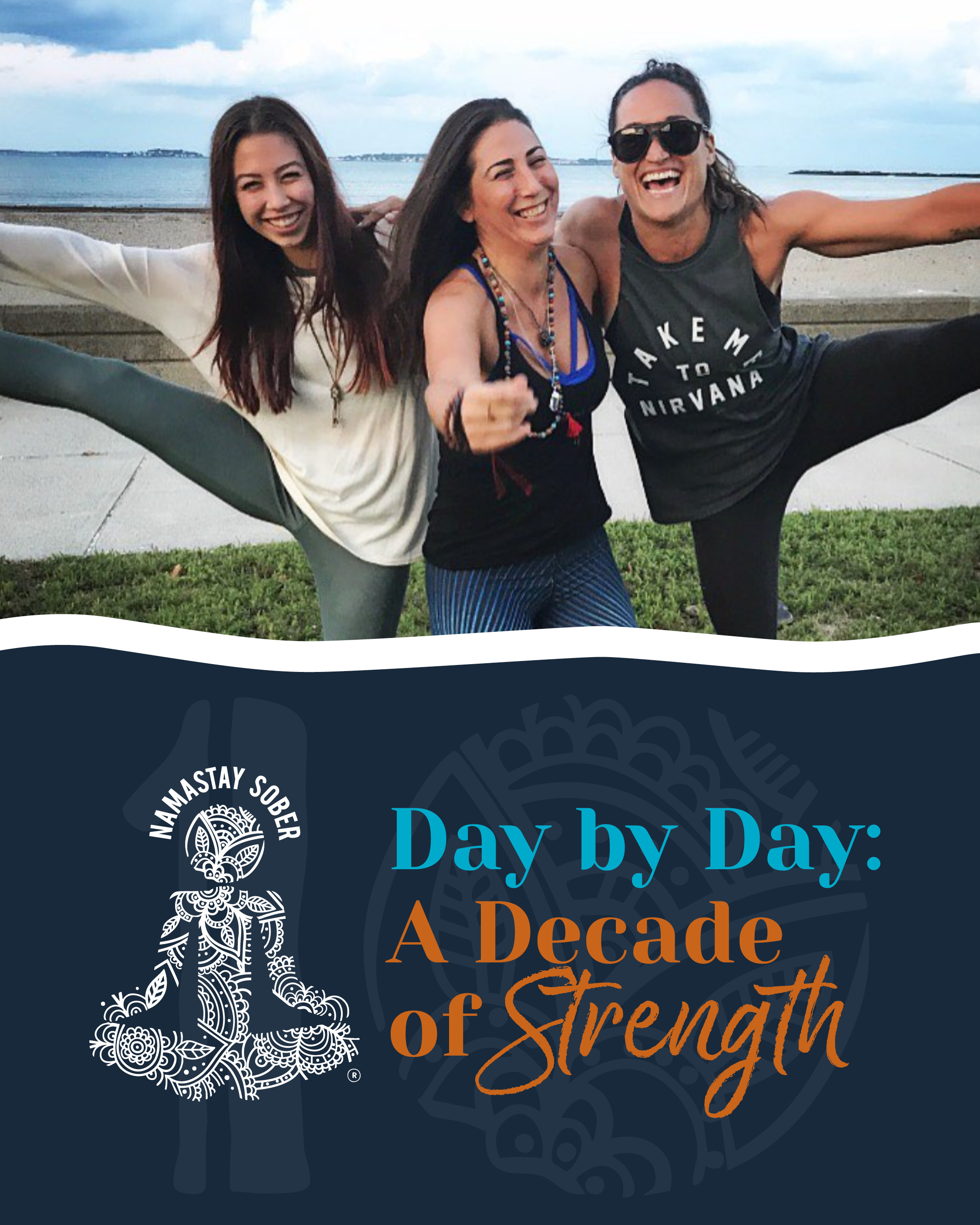
At NamaStay Sober, we believe fitness and wellness should be accessible to everyone in recovery: regardless of income or experience level.
Our mission is simple: reconnect body and mind through affordable fitness and wellness.
We're not a gym. We're a community. A nonprofit dedicated to providing:
- Recovery-focused yoga and fitness programs
- Scholarships for those who can't afford memberships
- Community events that celebrate sobriety
- A judgment-free space where you can just be
We partner with studios, gyms, and wellness providers who share our values. Because we know that recovery fitness isn't about fancy equipment or exclusive memberships. It's about showing up, feeling supported, and building a life you don't want to escape from.
Whether you're looking for your first yoga class, a running buddy, or just a place where people get it: we've got you.
The Bottom Line
So, do you really need sober gyms?
You need whatever supports your recovery. For some, that's a dedicated sober gym. For others, it's a local yoga studio, a running group, or a nonprofit like ours. The "best" fitness space is the one that helps you show up, stay accountable, and feel like you belong.
Recovery fitness isn't about being perfect. It's about being consistent. It's about choosing movement over stagnation. And it's about finding a sobriety community that cheers you on: whether you're hitting a PR or just making it through the day.
Ready to find your people?
Check out our scholarship programs and community memberships at NamaStay Sober. We're here to help you build a recovery that feels good: body and mind.
You don't have to do this alone. Let's move forward together.
Posted in Blog