
You know that feeling when your heart's racing, your thoughts won't stop spinning, and it seems like your body's running on high alert 24/7? Yeah, that's pretty common in recovery. Your nervous system has been through a lot, and it's basically stuck in overdrive.
Here's the good news: you don't need an expensive smartwatch, a fancy fitness tracker, or even a gym membership to start calming things down. The simple act of breathing: specifically, how you breathe during yoga: can flip a switch in your body that helps you relax. No apps, no metrics, no pressure. Just you, your breath, and a little bit of floor space.
Your Nervous System: The Quick Version
Think of your nervous system as having two modes: gas pedal and brake pedal. The gas pedal is your sympathetic nervous system: it's your "fight or flight" response. It kicks in when you're stressed, anxious, or feel threatened. Your heart rate goes up, your muscles tense, and stress hormones flood your body.
The brake pedal is your parasympathetic nervous system: your "rest and digest" mode. This is where healing happens. Your heart rate slows down, your blood pressure drops, and your body can actually relax and repair itself.
When you're in active addiction or early recovery, that gas pedal gets stuck. Your nervous system is constantly on high alert, which is exhausting and makes cravings worse. Yoga: especially the breathing part: helps you activate that brake pedal again.
The Breathing Trick That Changes Everything
Here's the simple trick: your exhale is more powerful than your inhale.
When you take a deep breath in, you're actually activating that gas pedal (sympathetic nervous system) and triggering a little hit of adrenaline. But when you exhale: especially when you make your exhale longer and deeper than your inhale: you activate the brake pedal (parasympathetic nervous system). Your heart rate slows down. Your body starts to relax.
During yoga, you're constantly focusing on those long, extended exhales. That's why a 30-minute yoga session can make you feel so much calmer than just sitting on the couch for 30 minutes. You're literally training your nervous system to chill out.
And you don't need any equipment or tracking to do this. You just need to pay attention to your breath and make your exhales a little longer than your inhales. That's it. That's the whole trick.
Why This Matters So Much in Recovery
Your brain and body took a beating during active addiction. The neural pathways that control your emotions, pleasure response, and impulse control got damaged. Stress hormones like cortisol and adrenaline have been running wild, which makes everything harder: including staying sober.
Yoga helps with all of this in some pretty specific ways:
It balances your stress hormones. When cortisol and adrenaline are sky-high, cravings get worse and relapse risk goes up. Yoga brings those levels back down to something more manageable.
It helps restore your brain chemistry. Your brain releases natural calming chemicals during yoga practice, giving overactive regions a chance to rest and recover. It's like hitting a reset button for your nervous system.
It boosts your parasympathetic tone. Research shows that people practicing yoga regularly see big improvements in parasympathetic nervous system activity within just 15 days. About 25% of yoga's benefit in speeding up withdrawal recovery comes from this nervous system boost alone.
The Real-World Benefits (No Tracking Needed)
You don't need a fitness tracker to know if yoga is working. People in recovery who practice yoga report some pretty clear benefits:
- Better sleep: On average, they fall asleep about an hour faster than they did before starting yoga.
- Less pain: Whether it's physical discomfort from withdrawal or chronic pain that used to fuel substance use, yoga helps reduce pain levels.
- Way less anxiety: This is huge. Anxiety is often the thing that drives people back to using, and yoga significantly lowers anxiety symptoms.
These aren't just "maybe I feel a little better" changes. These are measurable improvements that happen without any fancy equipment or apps. Your body will tell you it's working. You'll notice you're sleeping better, your shoulders aren't constantly up by your ears, and that constant buzzing anxiety starts to quiet down.
Why "No Tracking Required" Matters
Let's be real: recovery can feel like you're constantly monitoring yourself. Counting days. Tracking triggers. Going to meetings. Checking in with your sponsor. It's necessary, but it's also exhausting.
Yoga offers something different. You don't need to hit a certain heart rate zone. You don't need to track your steps or log your workout. You don't need to prove anything to anyone: not even yourself.
You just show up on your mat (or your living room floor), breathe, and move. That's it. The benefits happen naturally, without you having to quantify or measure them.
This is especially important for people in recovery who might be dealing with perfectionism or the need to control everything. Yoga teaches you to just be present, without judgment or metrics. It's about connecting with your body, not optimizing it.
Getting Started (Keep It Simple)
You don't need to sign up for an expensive yoga studio or buy a bunch of equipment. Here's how to start:
Start with your breath. Right now, wherever you are, try this: breathe in for a count of 4, then breathe out for a count of 6. Do that five times. Notice how you feel. That's yoga.
Use free resources. YouTube has thousands of free yoga videos specifically for beginners. Search for "gentle yoga" or "yoga for anxiety" and try a 10-minute video.
Go at your own pace. If a pose doesn't feel good, don't do it. Yoga isn't about forcing your body into uncomfortable positions. It's about gentle movement and breath awareness.
Make it a habit, not a performance. Five minutes a day beats an intense 90-minute class once a month. Consistency matters more than intensity.
How NamaStay Sober Supports Your Journey
At NamaStay Sober, we've built our entire mission around reconnecting body and mind through wellness-focused community. We get it: recovery isn't just about not using. It's about building a new life where you actually feel good in your own skin.
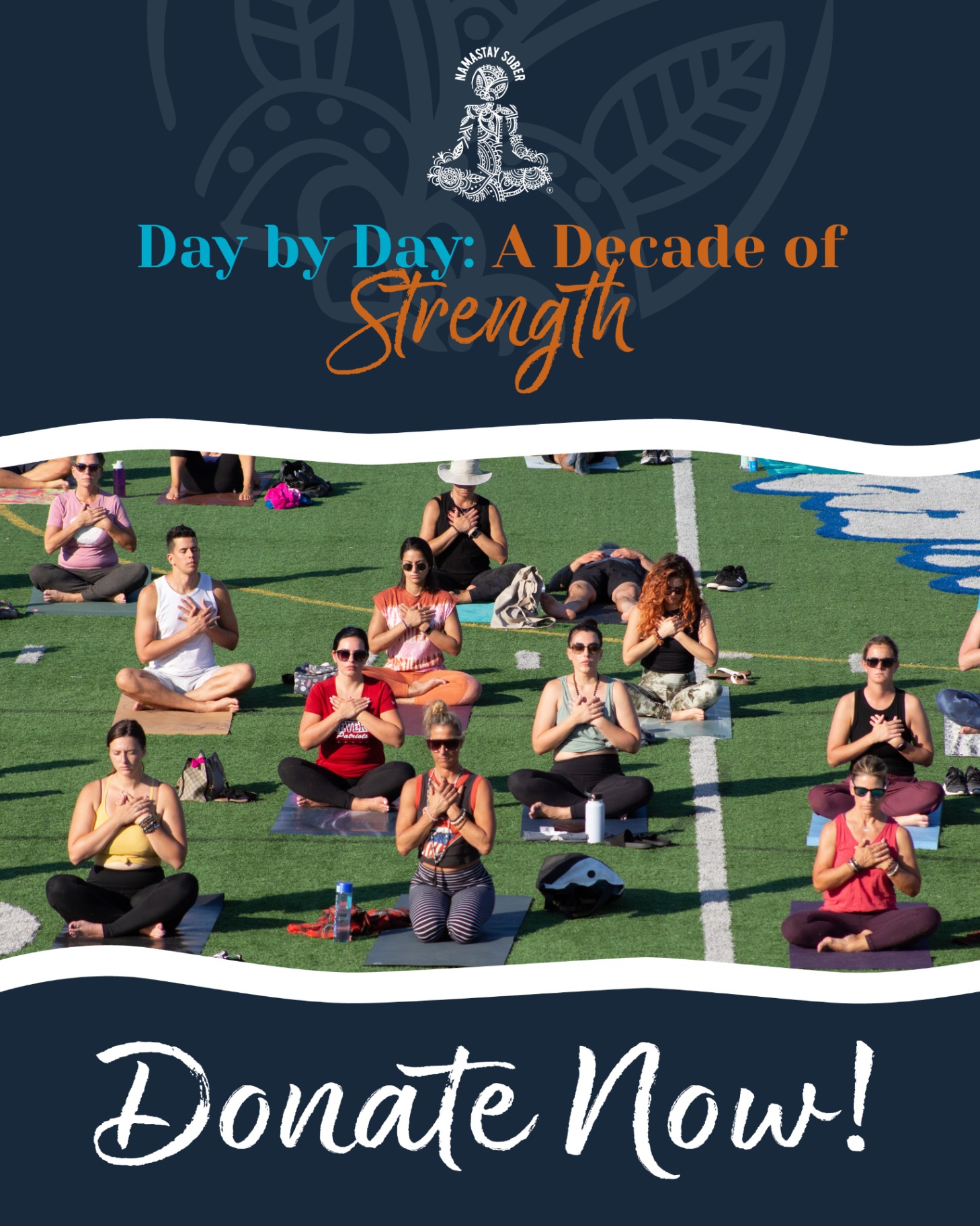
That's why we offer scholarships for fitness memberships and host community wellness events where you can practice yoga alongside other people in recovery. There's something powerful about breathing together, moving together, and supporting each other without saying a word.
We believe everyone in recovery deserves access to these tools, regardless of their financial situation. Yoga shouldn't be a luxury: it's a fundamental part of healing your nervous system and building a sustainable recovery.
Want to learn more about our programs or find a recovery-focused yoga community near you? Visit NamaStay Sober to see how we're making wellness accessible to everyone in recovery.
Your Next Step
You don't need to wait for the perfect time or the perfect setup. You don't need new yoga pants or a fancy mat. You don't need to download an app or buy a tracking device.
Right now, wherever you are, you can take a deep breath in through your nose and a longer breath out through your mouth. You can do that three times. That's a yoga practice. That's you taking control of your nervous system. That's you choosing recovery.
And if you want support along the way: if you want a community that gets it, that's been there, that's rebuilding together: we're here. Check out our upcoming events and scholarship opportunities at NamaStay Sober. Because recovery is better when you're not doing it alone.
Posted in Blog