
Let’s be honest: early sobriety feels a lot like being the new kid at a middle school dance. You’re standing against the gym wall, clutching a lukewarm LaCroix, and wondering what on earth you’re supposed to do with your hands. Your skin feels a size too small, your brain is firing off "danger" signals because you aren't buffered by a drink, and someone just asked you, "So, what’s your story?"
Panic.
While traditional recovery meetings and coffee-shop networking have saved countless lives (and we love them for it), there is a specific kind of pressure that comes with sitting in a circle of chairs or across a tiny table. It’s the pressure to perform recovery: to have the right words, the right insights, and the perfect "elevator pitch" for your trauma.
But what if you didn’t have to talk at all? What if you could build a massive, supportive sobriety community without having to survive twenty minutes of excruciating small talk first?
At NamaStay Sober, we believe the shortcut to real connection isn't found in a crowded lounge or a forced networking event. It’s found on a yoga mat, under a heavy barbell, or in the middle of a muddy trail run. We’re building a community through sweat, and honestly, it’s the most "real" way to recover we’ve ever found.
The Problem with "So, How Are You Really Doing?"
In the early days of recovery, your nervous system is essentially a raw nerve. You’re relearning how to navigate social cues without a chemical filter. This makes traditional social settings: even "sober" ones: feel incredibly high-stakes. When the primary activity is talking, every silence feels like a chasm and every question feels like an interrogation.
This "forced vulnerability" can actually be a barrier to entry. Many people pull away from recovery support because they just don’t have the emotional bandwidth to "chat" yet. They need a place where they can just be without being "on."
Why "Recovery Fitness" is the Ultimate Social Lubricant
Think about the last time you did something physically hard. Maybe it was a 90-degree hot yoga session or a high-intensity interval circuit that made your lungs burn. In those moments, you weren’t thinking about your past mistakes. You weren’t worrying about whether the person next to you thought your outfit was cool. You were just trying to breathe.
This is the magic of recovery fitness. When we sweat together, several things happen simultaneously:
- Shared Purpose Over Shared Trauma: Instead of bonding over the things that went wrong in our lives, we bond over the fact that this current workout is tough. We’re all trying to get through the same set of burpees or hold the same warrior pose. The common enemy is the workout, not our inner demons.
- The Endorphin Assist: It’s no secret that exercise releases a cocktail of "feel-good" chemicals: dopamine, serotonin, and endorphins. When you’re riding a post-workout high, the social anxiety that usually keeps you quiet starts to melt away. You’re more likely to high-five a stranger when you’ve both just finished a grueling set.
- Vulnerability Without the Words: There is a deep, unspoken vulnerability in physical exertion. When you’re red-faced, sweaty, and messy, you’ve already bypassed the "polished" version of yourself. You’ve shown the people around you that you’re willing to work, and that creates a level of respect that a thousand words couldn't achieve.
Sober Yoga: More Than Just Touching Your Toes
For many in our community, sober yoga is the gateway. Yoga isn't just about flexibility; it’s about embodiment. For years, many of us used substances to disconnect from our bodies because being in them was too painful. Yoga forces us to move back in.
When you practice yoga in a group of people who are also in recovery, the room feels different. There’s an underlying current of "I get it." You don't have to explain why you're struggling with a particular pose or why you feel emotional during Savasana. The community holds that space for you. It’s a "third space": not home, not work, not a clinical setting: but a place where you belong simply because you showed up on your mat.
Building the "Third Space" for Recovery
Sociologists talk a lot about the "third space": the places where people spend time between home (the first space) and work (the second space). For people in recovery, that third space is often a meeting hall or a therapist's office. While those are vital, they are often focused strictly on the "problem."
NamaStay Sober aims to be a different kind of third space. We want to be the place where you go to celebrate what your body can do, rather than fixating on what it did do. Through our programs, we offer memberships and scholarships to fitness studios, because we know that cost shouldn't be a barrier to finding your tribe.
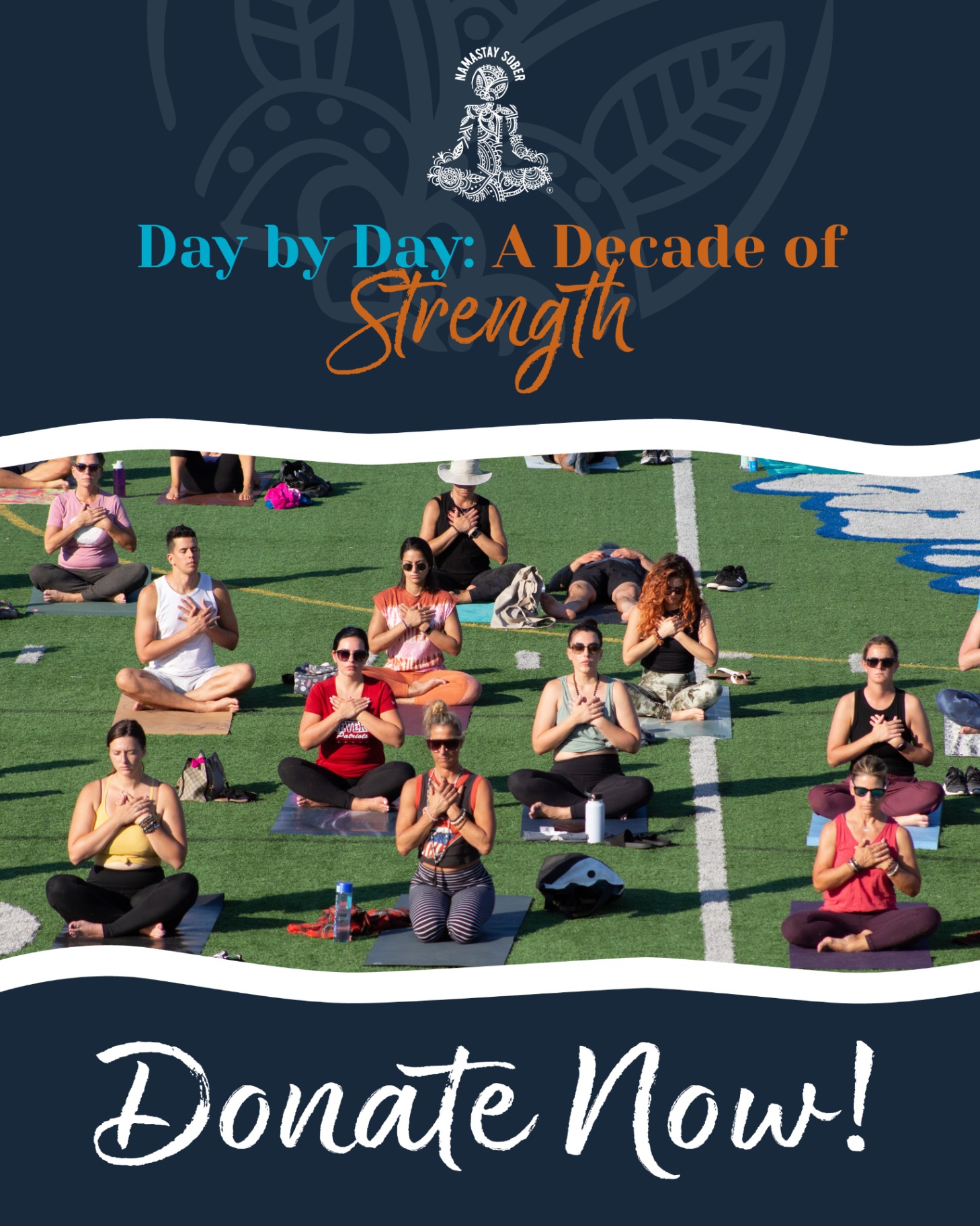
Our community is built on the idea that connection should be organic. We host events that range from large-scale yoga festivals to local group hikes. These aren't just "events"; they are opportunities to meet people while doing something.
The Science of Bonding Through Struggle
Research shows that group exercise transforms social dynamics. Participants in group fitness report much higher levels of bonding and "group cohesion" compared to those who work out alone. In the context of a sobriety community, this is a superpower.
When you struggle through a physical challenge alongside someone else, your brain registers them as an ally. It’s an evolutionary trait: we bond with those we "survive" difficulty with. By replacing the "small talk" with "big sweat," we’re literally rewiring our social brains to associate other people in recovery with safety, strength, and success.
No Experience (or Flexibility) Required
One of the biggest myths we hear is, "I’m not fit enough for a recovery fitness community" or "I’m not flexible enough for sober yoga."
Let us be very clear: Most of us started exactly where you are. Some of us hadn't moved our bodies in a healthy way for a decade before walking into a NamaStay Sober event. The goal isn't to be the best athlete in the room; the goal is to be the most present person in the room.
Whether you’re a marathon runner or someone who considers a walk to the mailbox a workout, there is a place for you here. We’re not looking for perfection; we’re looking for connection.
How to Get Involved (Without the Awkwardness)
If the idea of walking into a room full of strangers and sharing your deepest secrets sounds exhausting, try this instead:
- Check out our scholarships: We help people in early recovery get access to yoga and fitness memberships. See if you qualify for a scholarship.
- Join an event: Come to one of our upcoming events. You can show up, do the workout, and leave: or you can stay for a non-alcoholic drink and a chat. No pressure either way.
- Support the mission: If you’re further along in your journey and want to help others find this community, consider donating. Your support literally pays for someone’s "third space."
A Decade of Strength
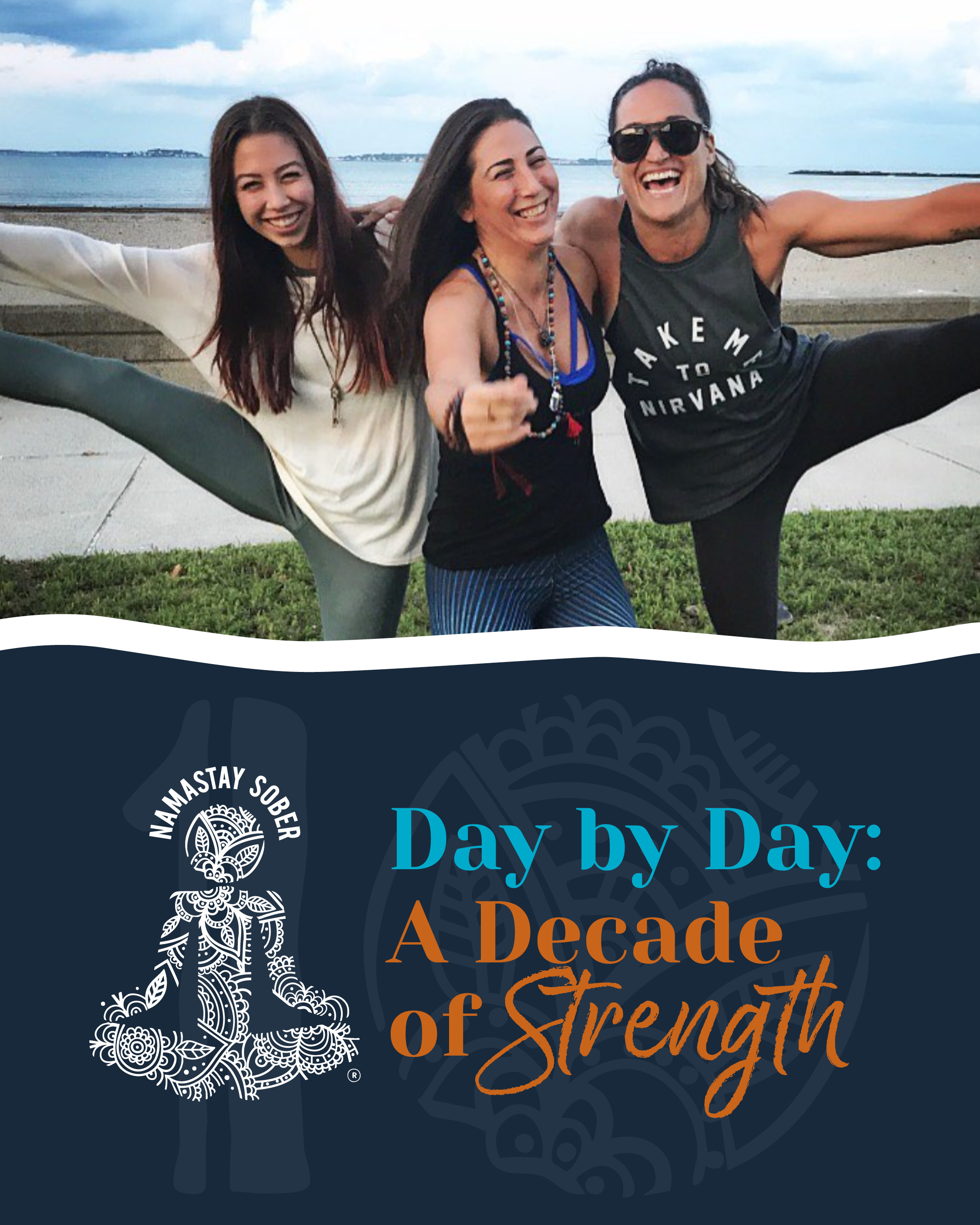
NamaStay Sober has been around for ten years, and in that time, we’ve seen thousands of people swap "awkward small talk" for "meaningful sweat." We’ve seen friendships form over shared exhaustion and lives change because someone finally felt like they belonged somewhere without having to say a word.
Recovery is hard work. It’s a heavy lift. But you don't have to do the lifting alone.
So, put down the lukewarm soda, step away from the wall, and come sweat with us. We promise we won’t ask you for your "story" until you’re good and ready to tell it. Until then, we’ll just be right there in the next mat over, breathing through it with you.
Ready to find your tribe?
Learn more about our story or contact us today to see how you can get involved. Let's get to work( together.)
Posted in Blog