

Sorry, finding the perfect recovery yoga class can feel overwhelming when you're starting your wellness journey! With so many options out there, it's tough to know where to begin or what questions to ask. The good news? We've got you covered with seven essential things to consider before stepping onto that mat for the first time.
Recovery yoga: also known as restorative yoga: is a gentle, mind- and muscle-soothing practice that focuses on holding and relaxing into poses with deep breathing and stretching. It activates your parasympathetic nervous system (your "rest and recovery" mode) rather than triggering stress responses, making it an ideal complement to addiction recovery and overall wellness.

1. Start Your Search With Recovery-Focused Centers
Your best bet for finding quality recovery yoga isn't always the nearest yoga studio. Start by checking with:
- Local treatment centers and sober living facilities – Many offer on-site classes or can recommend trusted instructors
- Community health centers – Often host affordable or free recovery-specific programming
- Recovery support organizations – Groups like AA, NA, or SMART Recovery frequently have wellness resources
- Hospitals and healthcare systems – Many now integrate yoga into their addiction treatment programs
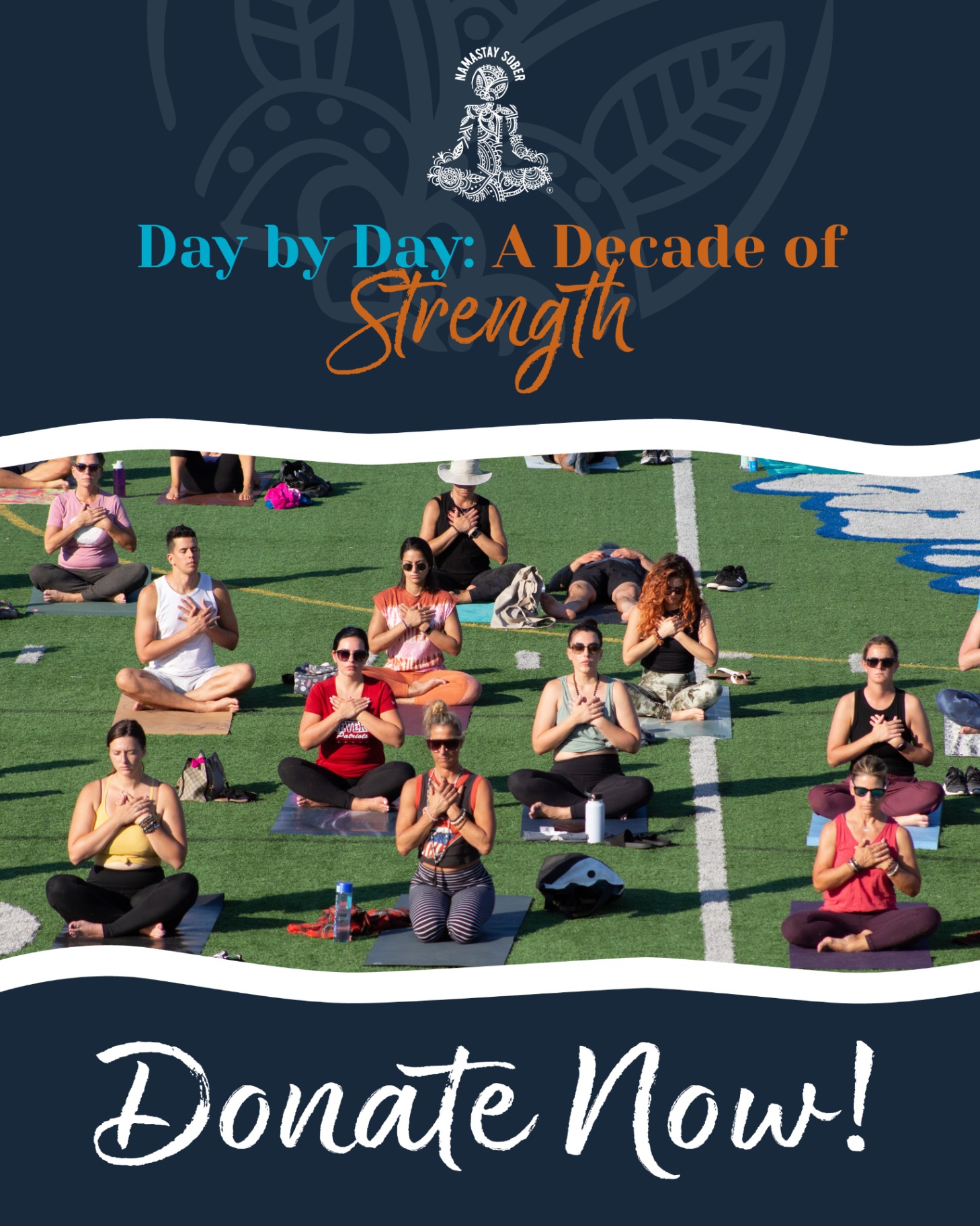
Don't forget to search online using terms like "recovery yoga," "trauma-informed yoga," or "addiction recovery fitness" along with your city name. Organizations like NamaStay Sober specialize in connecting people in recovery with accessible wellness programs, including scholarships for those who need financial support.
2. Look for Trauma-Informed and Recovery-Experienced Instructors
Not all yoga teachers understand the unique needs of people in recovery. When researching classes, ask specifically about instructor qualifications:
- Trauma-informed yoga training – This ensures teachers understand how trauma affects the body and can modify practices accordingly
- Personal or professional recovery experience – Instructors who "get it" create safer, more understanding environments
- Continuing education in addiction recovery – Shows commitment to serving this community effectively
Quality instructors will be transparent about their background and happy to discuss how they adapt classes for recovery needs. If they can't answer these questions or seem dismissive, keep looking.
3. Ask About Class Format and Accessibility
Recovery yoga should be accessible for all levels and abilities, regardless of flexibility or prior yoga experience. Before committing, find out:
- What style of yoga is taught – Look for gentle styles like Hatha, Restorative, or Yin rather than intense Vinyasa or Hot Yoga
- How poses are modified – Good teachers offer multiple variations for each pose
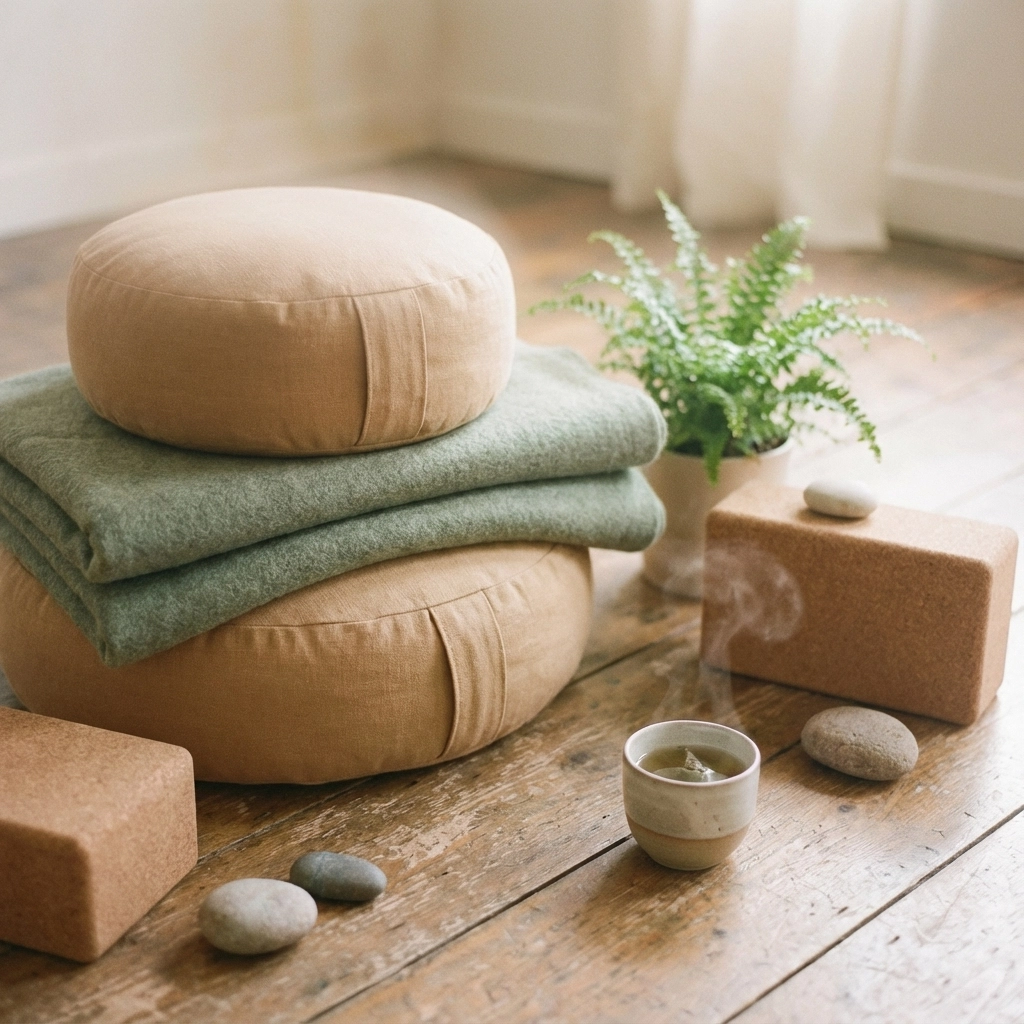
- Whether props are provided – Blankets, bolsters, blocks, and straps help make poses more accessible
- Class size and individual attention – Smaller classes mean more personalized guidance
- Policy on stepping out – You should always feel free to rest or leave if overwhelmed
Remember, recovery yoga emphasizes breathwork (pranayama) and meditation alongside physical postures. The focus should be on relaxation and self-awareness, not athletic achievement or perfect form.
4. Investigate Pricing and Scholarship Options
Cost shouldn't be a barrier to accessing recovery support. Many studios and organizations offer assistance:
- Sliding scale pricing – Pay what you can afford within a range
- Recovery scholarships – Specifically for people in addiction recovery
- Community classes – Often donation-based or very low cost
- Insurance coverage – Some health plans now cover yoga as part of mental health treatment
- Work-study programs – Help with studio tasks in exchange for classes
Organizations like NamaStay Sober provide scholarships and memberships specifically for people in recovery. Don't be afraid to ask about financial assistance: most wellness professionals want to help, not create additional stress.
5. Visit the Space Before Your First Class
The environment matters enormously for people in recovery. If possible, stop by the studio or center beforehand to get a feel for:
- Overall atmosphere – Does it feel welcoming and non-judgmental?
- Cleanliness and safety – Are spaces well-maintained and accessible?
- Other students – Do you see diversity in age, body types, and skill levels?
- Noise levels – Some people in recovery are sensitive to loud music or chaotic environments
- Scent policies – Strong incense or aromatherapy can be triggering for some
Trust your gut. If a space doesn't feel right, there are other options. The right studio will feel like a sanctuary, not another source of anxiety.
6. Know What to Bring and Wear
Preparation reduces first-day jitters. Most recovery yoga classes suggest:
What to wear:
- Comfortable, loose-fitting clothing you can move in
- Layers (studios can be cool or warm)
- Nothing too revealing if that makes you self-conscious
What to bring:
- Water bottle (stay hydrated, especially early in recovery)
- Small towel if you tend to sweat
- Journal for post-class reflections (many find this helpful)
- Open mind and willingness to modify poses as needed
Most studios provide mats and props, but call ahead to confirm. Some people prefer bringing their own mat for hygiene or comfort reasons.
7. Set Realistic Expectations for Your First Experience
Your first recovery yoga class probably won't look like Instagram posts or movies. Here's what to actually expect:
- Physical discomfort is normal – Your body may be detoxing, healing, or simply unused to movement
- Emotions might surface – Yoga can release stored tension and feelings; this is part of healing
- You might need frequent breaks – Listen to your body and rest whenever needed
- Progress isn't linear – Some days will feel great, others challenging
- Community takes time – Building connections with classmates happens gradually
Most importantly, remember that recovery yoga isn't a substitute for professional addiction treatment. It works best when integrated into comprehensive recovery plans that include counseling, medical care, and other evidence-based treatments.
Your Next Step Toward Wellness
Finding the right recovery yoga class is an investment in your long-term wellbeing. Take time to research options, ask questions, and trust your instincts about what feels supportive versus overwhelming.
If you're struggling to find accessible recovery yoga in your area, check back with organizations like NamaStay Sober for updates on new programs, scholarships, and community resources. We're constantly working to expand access to wellness programming for people in recovery.
Remember: showing up is the hardest part. Once you find a class that feels right, you're already on your way to building strength, community, and sustainable recovery practices. Your future self will thank you for taking this step!
Ready to explore recovery yoga options? Visit our programs page to learn about scholarships and community classes designed specifically for people in recovery.
Posted in Blog
