

If you've been scrolling through recovery forums, browsing wellness blogs, or just talking with friends in the sobriety community lately, chances are you've heard someone mention yoga and sobriety in the same breath. And for good reason, this isn't just another wellness trend that'll fade away by next month. The combination of yoga and recovery support is creating real, measurable changes in people's lives, and it's catching the attention of everyone from addiction specialists to everyday folks who just want to feel better in their own skin.
So what's all the buzz about? Let's dive into why yoga has become such a game-changer for people in recovery, and why you might want to give it a shot yourself.
The Science Actually Backs This Up
Here's the thing, yoga isn't just about getting more flexible or looking zen in your Instagram photos (though those are nice bonuses). There's real science behind why yoga works so well for people in recovery.
When you practice yoga, your body releases feel-good hormones like serotonin that naturally improve your mood and act as antidepressants. But it goes deeper than that. Yoga also increases something called GABA (gamma-aminobutyric acid), which is basically your brain's natural chill pill, it helps regulate anxiety and promotes relaxation.
Even more impressive? Regular yoga practice actually increases gray matter in the brain regions that control self-control, focus, and emotional regulation. Think of it as going to the gym for your willpower muscles. This neuroplasticity, your brain's ability to rewire itself, is huge for anyone working on breaking old patterns and building new, healthier habits.
It Hits All the Recovery Sweet Spots
Stress Management That Actually Works
Let's be honest, stress is one of the biggest triggers for relapse. Life gets overwhelming, emotions run high, and suddenly that old coping mechanism starts looking pretty appealing again. Yoga activates your parasympathetic nervous system (your body's natural relaxation response), which decreases stress hormones like cortisol and adrenaline.
But here's what makes yoga different from other stress-relief methods: you're learning tools you can use anywhere, anytime. Having a tough day at work? You've got breathing exercises. Feeling triggered at a social event? You know how to ground yourself. It's like having a portable calm-down kit that nobody else can even see you using.
Building Self-Awareness
Recovery is all about becoming more aware of your patterns, triggers, and thoughts before they spiral out of control. Yoga is basically a masterclass in mindfulness. Through the practice, you learn to notice what's happening in your body and mind without immediately reacting to it.
This awareness creates what experts call "response flexibility", that crucial pause between feeling something and acting on it. Instead of automatically reaching for old coping mechanisms, you have space to choose a healthier response.

Sleep and Emotional Regulation
If you've been in recovery for any length of time, you know how important good sleep is, and how hard it can be to come by. Yoga helps regulate your nervous system, making it easier to wind down at night and get the restorative sleep your brain needs to heal.
The emotional regulation benefits are equally important. Addiction often develops as a way to cope with difficult emotions. Yoga teaches you how to sit with uncomfortable feelings, breathe through them, and let them pass naturally instead of trying to escape or numb them.
Why Recovery Yoga Hits Different Than Regular Yoga
You might be wondering, "Can't I just hit up any yoga class?" Well, you could, but recovery yoga or sober yoga classes offer something special that regular classes might not.
These classes are specifically designed with the recovery community in mind. The instructors understand trauma-informed approaches, the language used is more inclusive and less triggering, and there's often a stronger emphasis on the mental health benefits rather than just the physical poses.
Plus, you're surrounded by people who get it. There's something powerful about being in a room full of people who understand the journey you're on. It builds that sense of community and belonging that's so crucial for long-term recovery.
The Community Connection
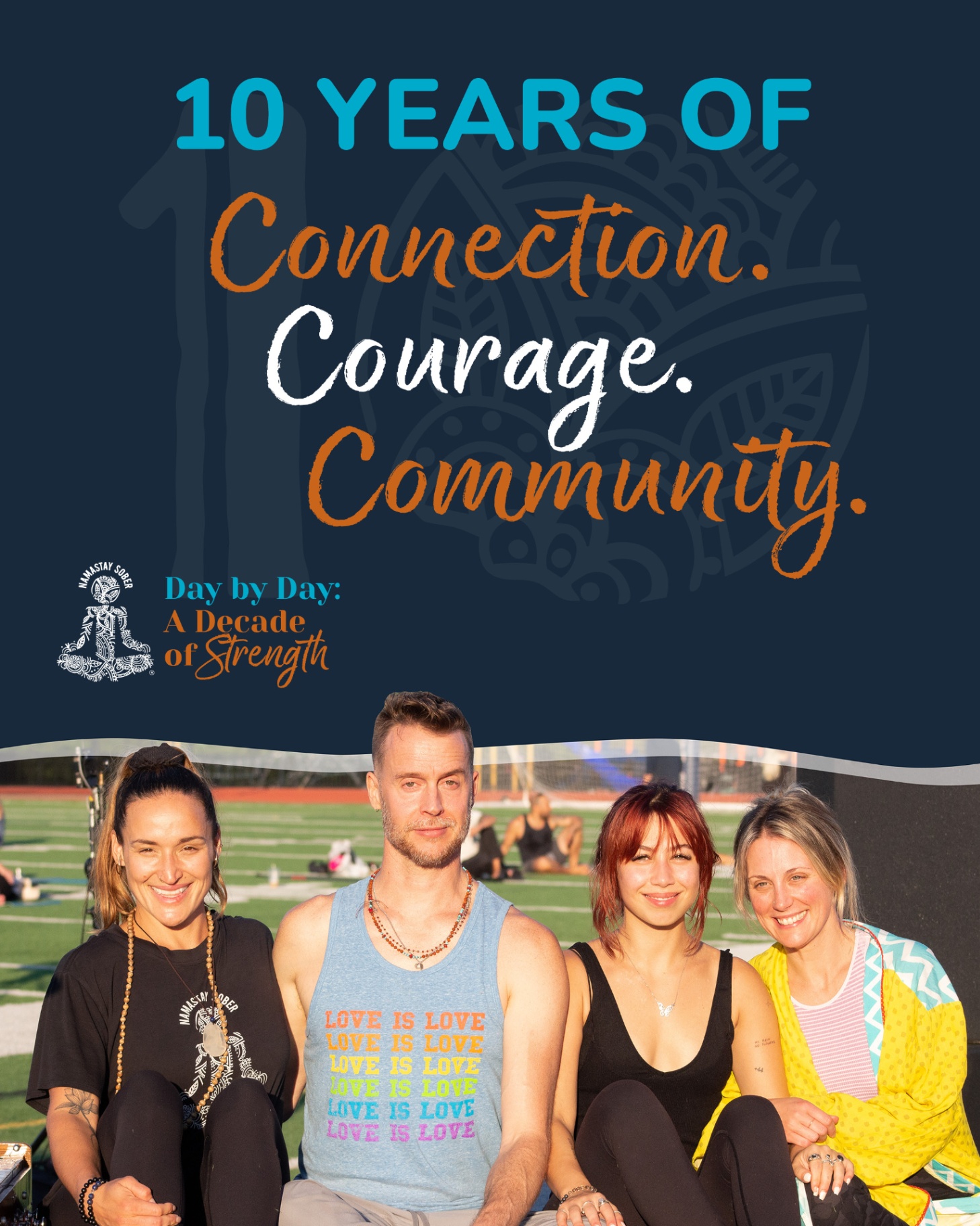
Speaking of community, this might be one of the biggest reasons why yoga and sobriety work so well together. Addiction thrives in isolation, but recovery flourishes in connection. When you show up to a sober yoga class, you're not just working on your physical and mental health: you're building relationships with people who share similar values and goals.
These connections often extend beyond the yoga mat. People grab coffee after class, check in on each other during tough times, and celebrate milestones together. It's like having a built-in support network that you didn't even know you needed.
Getting Started Doesn't Have to Be Intimidating
If you're thinking, "This sounds great, but I can barely touch my toes," don't worry. Yoga isn't about being flexible or having perfect poses. It's about showing up and being present with whatever you've got that day.
When looking for recovery yoga near me, here are a few things to keep in mind:
- Start with beginner-friendly classes – Most studios offer gentle or restorative yoga that's perfect for people new to the practice
- Look for trauma-informed instructors – These teachers have special training to create safe, inclusive spaces
- Ask about the community – Some studios have specific programs or classes for people in recovery
- Don't worry about the gear – Most places have mats you can borrow, and you don't need fancy yoga clothes
Many recovery centers and community organizations now offer yoga as part of their programming. Check with local treatment centers, community health centers, or search online for "sobriety community" groups in your area.
Real Talk: It's Not a Magic Bullet
Let's keep it real for a minute. Yoga isn't going to cure addiction or replace other forms of treatment and support. What it does is provide an additional tool in your recovery toolkit: and a pretty powerful one at that.
Some people see benefits right away, while others need to practice for a few weeks before they notice changes. The key is consistency, not perfection. Even five minutes of breathing exercises or gentle stretching can make a difference in your day.
The Ripple Effect
Here's something cool that happens when you start practicing yoga regularly: the benefits start showing up in other areas of your life. People report better relationships, improved work performance, and a general sense of feeling more grounded and centered.
The skills you learn on the mat: patience, self-compassion, staying present during difficult moments: translate directly to real-life situations. It's like cross-training for life in recovery.
Ready to See What the Buzz Is About?
The reason everyone's talking about yoga and sobriety isn't because it's trendy: it's because it works. The combination addresses the physical, emotional, and social aspects of recovery in a way that feels sustainable and empowering.
Whether you're new to recovery or have been on this journey for years, yoga offers something valuable. It meets you where you are and grows with you as you continue to heal and strengthen.
If you're curious about getting started, consider checking out our programs at NamaStay Sober. We offer classes specifically designed for the recovery community, led by instructors who understand the unique needs and challenges of people in recovery. Our approach combines the proven benefits of yoga with the support and connection that makes all the difference in maintaining long-term sobriety.
Recovery is a journey, and you don't have to walk it alone. Come see what happens when you add a little yoga to your toolkit( your future self will thank you!)
Posted in Blog
